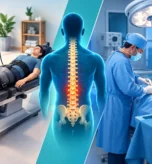
A sprained ankle that still feels unstable, shoulder pain during a tennis serve, or knee soreness after a weekend run can change far more than a workout schedule. Sports injury rehabilitation is the process of helping your body recover safely while restoring the strength, movement, confidence, and control needed for the activities you enjoy. The goal is not simply to feel better at rest. It is to return to movement with a plan that protects your long-term health.
For athletes and active adults, the temptation to push through pain can be strong. Yet returning too soon, or resting for too long without rebuilding capacity, can both prolong recovery. A thoughtful rehabilitation plan meets you where you are and progresses at the pace your injury and goals allow.
Why Sports Injury Rehabilitation Needs a Plan
Sports injuries can involve muscles, tendons, ligaments, joints, bones, or the nerves that help coordinate movement. Common examples include ankle sprains, muscle strains, runner’s knee, rotator cuff irritation, Achilles tendon pain, low back injuries, and shoulder instability. Two people may have the same diagnosis but need very different care based on their activity level, injury history, physical demands, and current movement patterns.
Pain is an important signal, but it is not the only measure of recovery. You may have less pain while still lacking balance, joint mobility, strength, endurance, or the ability to handle sport-specific movements. For example, an ankle may feel fine while walking but still give way during a quick change of direction. A shoulder may tolerate daily tasks but hurt when lifting overhead or throwing.
Effective rehabilitation looks beyond the painful area. A knee injury may be influenced by hip weakness, limited ankle motion, poor landing mechanics, or training volume that increased too quickly. Addressing these contributors can help reduce the chance of repeated injury while supporting better overall performance.
Start With the Right Evaluation
Before treatment begins, a thorough evaluation helps determine what tissues may be involved, how the injury is affecting function, and whether further medical assessment is needed. This includes discussing how the injury happened, reviewing your symptoms and health history, and assessing posture, range of motion, strength, balance, joint movement, and activity-specific patterns.
The details matter. Pain that began after one awkward landing may be approached differently from pain that gradually developed over months. A recreational runner returning from a calf strain has different demands than a warehouse worker who also plays in a weekly basketball league.
Some symptoms require prompt medical attention rather than a wait-and-see approach. Seek urgent evaluation for severe swelling or deformity, inability to bear weight after an injury, a joint that appears dislocated, worsening numbness or weakness, loss of bowel or bladder control, severe headache after a blow to the head, chest pain, or shortness of breath. Concussion symptoms, including confusion, persistent headache, dizziness, vomiting, vision changes, or unusual behavior, also need timely medical evaluation.
When imaging, orthopedic care, neurology, physiatry, or primary care support is appropriate, coordinated referral is part of safe, patient-centered care. Conservative rehabilitation works best when it is matched to the correct diagnosis and clinical needs.
The Phases of Sports Injury Rehabilitation
Recovery is rarely a straight line. Symptoms may improve quickly at first, then level off as your body works to rebuild strength and tolerance. A structured plan generally moves through several overlapping phases.
Calm Pain and Protect Healing Tissue
Early care focuses on reducing irritation and preventing unnecessary stress on injured tissue. Depending on the injury, this may include temporarily modifying activities, improving comfortable joint motion, and using hands-on care or therapeutic modalities to support pain relief. Complete inactivity is not always the answer. Safe, gentle movement can often help maintain circulation, mobility, and confidence.
The right amount of activity depends on the injury. A mild muscle strain may benefit from carefully dosed motion within days, while a fracture, significant ligament tear, or post-surgical condition may require more specific restrictions. Your treatment plan should respect the healing timeline of the tissue involved.
Restore Mobility and Movement Quality
As acute symptoms settle, rehabilitation should address the movement limitations that can keep an injury from fully resolving. Joint mobilization, chiropractic adjustments when clinically appropriate, soft-tissue therapy, acupuncture, and guided mobility work may help improve motion and reduce protective muscle tension.
Mobility alone is not the finish line. Your body must also learn to control that motion. A hip that moves freely but cannot stabilize during a squat or single-leg landing can still place added stress on the knee, back, or ankle. This is why rehabilitation exercises are selected for both flexibility and control.
Build Strength, Balance, and Capacity
This phase is where lasting recovery is built. Progressive exercise helps restore the ability of muscles, tendons, and joints to handle force. Depending on your injury, this may include strengthening work for the hips, core, shoulders, legs, or feet, along with balance training, coordination drills, and endurance work.
The key word is progressive. Too little challenge may not prepare the body for a return to sport, while too much load too soon can trigger a setback. Your provider may adjust repetitions, resistance, range of motion, speed, or frequency based on how you respond between visits and during daily life.
For a runner with knee pain, rehabilitation might progress from controlled hip and quadriceps strengthening to walking tolerance, then jogging intervals, hills, and faster running. For a shoulder injury, the sequence may begin with comfortable shoulder motion and scapular control before advancing to resistance, overhead movement, and throwing or lifting drills.
Practice the Demands of Your Sport
The final phase bridges the gap between clinic exercises and real activity. Sport involves more than isolated strength. It may require acceleration, deceleration, pivoting, jumping, landing, reaching, contact, or repeated overhead motion. Rehabilitation should gradually reintroduce the movements that matter most to you.
This stage is especially important after injuries that affect balance and stability, such as ankle sprains and knee injuries. Being able to perform a basic exercise is different from being ready to react to an unexpected change in direction during a game. A safe return often includes testing movement quality, endurance, confidence, and symptom response after activity.
Treatment Should Fit the Person, Not Just the Injury
A personalized plan may combine hands-on treatment with active rehabilitation. Chiropractic spinal or extremity adjustments, joint mobilization, soft-tissue therapy, acupuncture, spinal decompression when appropriate, and technology-assisted modalities can help address pain and restricted motion. These services are most valuable when they support the larger goal of active recovery, not when they replace strength and movement training.
Rehabilitation exercises are the part of care you can carry into daily life. A focused home program can reinforce progress between appointments and give you practical tools for managing symptoms. It should be realistic enough to follow consistently. A short program performed well is usually more useful than an ambitious routine that never fits into your week.
At Farmington HealthCare and Chiropractic, care is guided by your diagnosis, functional goals, and response to treatment. For some patients, relief and improved movement come quickly. Others, particularly those with recurring pain, tendon injuries, complex joint problems, or prior surgeries, may need a more gradual course and collaboration with other medical specialists.
Knowing When You Are Ready to Return
A return to sport should not be based on a calendar date alone. Healing times provide a useful framework, but readiness depends on the injury, the demands of the activity, and how well your body has regained function.
In many cases, a safer return means you can move through the required range of motion without meaningful pain, demonstrate adequate strength and balance, and complete sport-specific drills without symptoms worsening during or after activity. Confidence matters too. Hesitating during a cut, jump, or swing can change mechanics and increase stress elsewhere in the body.
Some soreness during rehabilitation can be normal, particularly as you rebuild strength. Sharp pain, swelling, instability, new numbness, or symptoms that remain significantly worse the next day are signs that the workload may need to be adjusted. Progress is not about proving toughness. It is about giving your body the right challenge at the right time.
Reduce the Risk of the Next Injury
No program can prevent every injury, but good rehabilitation can improve your odds. The same principles that help you recover often help you stay active: gradual training progressions, adequate sleep and recovery, strength training, proper technique, supportive footwear or equipment when relevant, and attention to early warning signs.
If pain repeatedly returns when you resume activity, do not assume that you simply need more rest. Recurring symptoms often point to an unresolved movement, strength, workload, or recovery issue. Addressing that pattern early can keep a minor problem from becoming a longer interruption.
The best rehabilitation plan helps you return to the activities that make you feel like yourself, with clearer awareness of what your body needs to stay strong, mobile, and ready for what comes next.