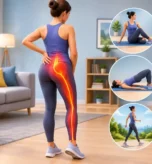
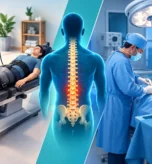
A muscle that tightens every time you reach overhead, climb stairs, sit through a work shift, or return to the gym needs more than a quick fix. Laser therapy for muscle pain is a noninvasive treatment that may help reduce discomfort and support the body’s healing response, especially when it is part of a personalized plan that also addresses movement, strength, and the cause of the problem.
At Farmington HealthCare and Chiropractic, care begins with listening. Muscle pain can come from an acute strain, repetitive work demands, a sports injury, poor movement patterns, joint dysfunction, or irritation that starts in the spine and refers pain elsewhere. The right treatment depends on what is driving your symptoms.
What Is Laser Therapy for Muscle Pain?
Therapeutic laser treatment, often called low-level laser therapy or photobiomodulation, uses specific wavelengths of light delivered to targeted tissues. Unlike surgical lasers, therapeutic lasers do not cut or burn tissue. The goal is to deliver light energy to areas of injury or irritation in a controlled clinical setting.
Research suggests this light may influence cellular activity involved in tissue repair and inflammation. For some people, that can translate to less pain, reduced muscle tightness, and improved ability to move. Results vary based on the condition, the duration and severity of symptoms, the area being treated, and whether laser therapy is paired with active rehabilitation.
Laser treatment is not a substitute for a thorough examination. A sore calf after a long run may need a very different plan than persistent shoulder pain with weakness, numbness, or limited range of motion. Identifying the source of pain helps prevent a temporary improvement from becoming a recurring problem.
When Muscle Pain May Respond Well
Laser therapy may be considered for acute or ongoing muscle discomfort, particularly when pain makes it difficult to stay active or progress with exercise. It can be used as one part of conservative care for muscle strains, overuse-related soreness, trigger points, tendon and soft-tissue irritation, neck and shoulder tension, low back muscle pain, and pain related to sports, work, or auto injuries.
It may also be useful when the surrounding tissues are guarding after an injury. For example, a person with low back pain may develop protective muscle spasms that limit bending and walking. Reducing sensitivity and muscle tension can make it easier to begin gentle mobility work, improve mechanics, and rebuild confidence in movement.
That said, not every muscle ache needs laser therapy. Delayed soreness after an unfamiliar workout often improves with appropriate activity, sleep, hydration, and gradual return to training. Pain with visible swelling, significant weakness, a suspected tear, fever, unexplained weight loss, loss of bladder or bowel control, or new numbness should be assessed promptly. These symptoms can require medical evaluation beyond conservative treatment.
What a Treatment Visit Feels Like
A laser therapy session is generally brief and comfortable. After an examination and discussion of your health history, the clinician positions the laser over the affected area and uses appropriate safety eyewear. You may feel mild warmth, or you may feel very little during the treatment itself.
The treatment time depends on the size and location of the area and the clinical goals. Some patients notice improved comfort or easier movement soon after a session. Others experience more gradual change over several visits, particularly when pain has been present for weeks or months.
A care plan should never be one-size-fits-all. The number and frequency of visits may differ for a recent hamstring strain, chronic upper-back tension from desk work, or muscle pain following a car accident. Progress should be measured by meaningful changes: walking with less pain, returning to work tasks, sleeping more comfortably, reaching overhead, or resuming a favorite activity.
Why Laser Works Best as Part of a Plan
Passive therapies can help create a window for recovery, but lasting improvement usually requires active participation. If a muscle is repeatedly overloaded because of limited joint motion, poor lifting mechanics, weak stabilizing muscles, or inadequate recovery, pain may return once the short-term relief fades.
For that reason, laser treatment may be combined with chiropractic adjustments or joint mobilization when clinically appropriate, soft-tissue therapy, acupuncture, and targeted rehabilitation exercises. The focus is not simply to quiet a painful area. It is to improve how your body moves and handles daily demands.
Consider an office worker with recurring neck and upper-trapezius tightness. Laser therapy may help calm irritated soft tissues, while mobility work, postural changes, ergonomic guidance, and strengthening for the upper back help reduce the pattern that keeps the tension coming back. A warehouse employee with a lifting injury may need a different approach centered on restoring hip and back function before safely returning to heavier loads.
Safety, Limits, and Honest Expectations
When provided by a trained clinician and used appropriately, therapeutic laser is generally considered low risk. Still, safe care requires screening. The laser should not be directed into the eyes, and protective eyewear is essential. Your clinician should also review relevant health conditions, medications, pregnancy status, areas of altered sensation, and any history that could affect whether treatment is appropriate.
Laser therapy is not designed to diagnose a fracture, repair a complete muscle rupture, or replace emergency care. It also should not delay referral when symptoms suggest a nerve condition, serious injury, infection, vascular problem, or another medical cause of pain. FHCC coordinates care with primary care providers and medical specialists when an examination indicates that additional testing or treatment is needed.
The evidence for laser therapy is promising for certain musculoskeletal conditions, but it is not equally strong for every diagnosis or device setting. Treatment parameters matter, and so does the accuracy of the diagnosis. Be cautious of guarantees or claims that one modality can resolve every type of pain. A trustworthy plan includes reassessment and changes course if progress is not occurring.
Getting More From Your Recovery
Your habits between appointments matter. Continue normal activity within your tolerance rather than pushing through sharp or worsening pain. Follow the specific mobility or strengthening plan provided, and use better body mechanics for the tasks that triggered your symptoms when possible.
Recovery also benefits from consistent sleep, adequate nutrition, and pacing. This does not mean you must stop every activity you enjoy. It means finding the right starting level and building capacity gradually. For an athlete, that may mean modified training. For a driver or desk worker, it may mean scheduled movement breaks and exercises that fit into the workday.
If muscle pain has lasted longer than expected, keeps returning, or changes how you work, exercise, or sleep, an evaluation can provide clarity. The most helpful question is not only, “What will reduce pain today?” It is, “What will help me move well and stay active tomorrow?”