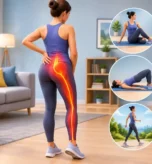
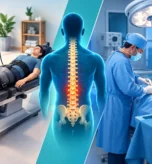
A muscle that has been painful, injured, or inactive often needs more than rest. It may need help reconnecting with normal movement before strengthening exercises feel comfortable or effective. Electric muscle stimulation therapy benefits can include improved muscle activation, support for rehabilitation, and short-term pain relief when the treatment is selected for the right condition and used as part of a personalized care plan.
At Farmington HealthCare and Chiropractic, treatment decisions begin with your symptoms, movement patterns, injury history, and goals. Electrical stimulation is not a one-size-fits-all answer. Used thoughtfully alongside hands-on care, exercise, and appropriate medical coordination, it can help create a more comfortable path back to work, sports, driving, and daily activities.
What Is Electric Muscle Stimulation Therapy?
Electric muscle stimulation, often called EMS or neuromuscular electrical stimulation, uses small electrical impulses delivered through adhesive pads placed on the skin. These impulses stimulate motor nerves and cause a targeted muscle to contract. The sensation may feel like tingling, tapping, or a firm tightening of the muscle. It should not feel sharply painful.
In a clinical setting, the provider adjusts the intensity, timing, pad placement, and treatment duration to fit the treatment goal. For example, stimulation may be used to encourage activation in a weak quadriceps muscle after a knee injury, or to support a muscle that has become inhibited because of pain or swelling.
Electrical therapies can be confusing because several types are commonly discussed together. EMS is intended to create muscle contraction. TENS, or transcutaneous electrical nerve stimulation, is generally used for sensory-level stimulation and short-term pain modulation rather than a strong muscle contraction. Your provider can explain which approach, if either, is appropriate for your needs.
Electric Muscle Stimulation Therapy Benefits in Rehabilitation
The most meaningful benefit of EMS is often its ability to help a muscle participate in rehabilitation when voluntary contraction is difficult. After an injury, surgery, or painful flare-up, the nervous system may reduce how effectively it recruits certain muscles. This protective response can contribute to weakness, altered movement, and reduced confidence with activity.
Supporting muscle activation
When a muscle is not firing well, EMS can provide a guided contraction that helps reinforce the connection between the nervous system and the muscle. This may be particularly useful for larger stabilizing muscles around the knee, shoulder, hip, or spine, depending on the diagnosis and treatment plan.
That does not mean a machine can replace active exercise. Lasting improvements in strength, balance, and function require the body to practice real movement. EMS can make that process more productive by helping a patient engage a muscle before or during carefully selected exercises.
Reducing the impact of disuse
Periods of reduced activity can lead to deconditioning. This may happen after an auto accident, a work injury, a sports injury, or a painful episode of back or neck pain that makes normal movement difficult. In some rehabilitation settings, electrical stimulation may help maintain or improve muscle engagement while a person is gradually returning to activity.
The benefit depends on the muscle involved, the severity of the condition, and whether the person can safely participate in exercise. For someone with significant weakness or a recent procedure, the treating provider may coordinate the plan with the appropriate specialist or surgeon.
Making movement more manageable
Pain can change the way the body moves. A person may avoid bending, shift weight away from one leg, guard the shoulder, or brace the low back during routine tasks. These compensations can keep muscles from working normally and may place stress on other joints.
When electrical stimulation is used to support pain control or muscle activation, some patients find it easier to begin mobility and rehabilitation exercises. The goal is not simply to feel better during the appointment. The goal is to use improved comfort and muscle engagement to restore safer, more confident movement outside the clinic.
When EMS May Be Part of Your Care Plan
EMS is typically most helpful when it addresses a specific functional problem. It may be considered for muscle weakness, poor activation after injury, movement limitations related to pain, or rehabilitation after a period of reduced use. Common examples include knee pain with quadriceps weakness, shoulder conditions that affect muscle control, certain ankle or hip injuries, and spine-related pain that has led to guarded movement.
For office workers, this may mean addressing muscles that have become underactive while the neck, shoulders, or low back have been irritated by prolonged positions. For active adults and athletes, it may support a structured return to training after an injury. For workers with physically demanding jobs, the focus may be on restoring the control and endurance needed for lifting, carrying, standing, or repetitive tasks.
EMS may also be used within a broader plan for accident-related or work-related injuries. However, every injury deserves an appropriate examination. Persistent weakness, numbness, radiating pain, severe swelling, loss of coordination, or symptoms that worsen over time may require additional diagnostic evaluation or referral rather than relying on a modality alone.
What EMS Cannot Do on Its Own
Electrical stimulation is a tool, not a complete treatment plan. It does not correct every cause of pain, repair a torn tissue, replace progressive strengthening, or eliminate the need for a proper diagnosis. Home devices also vary widely in quality and settings, and a device that creates a strong sensation is not necessarily providing effective or appropriate treatment.
Claims that electrical stimulation alone will build substantial muscle, melt fat, or solve chronic pain are not realistic. Meaningful recovery usually involves a combination of strategies: identifying aggravating movements, restoring joint and soft-tissue mobility when appropriate, improving strength and coordination, and building sustainable activity habits.
The right plan also depends on timing. During an acute injury, the priority may be protecting irritated tissue and managing symptoms. Later, the focus often shifts toward active rehabilitation, endurance, and return to specific work or sport demands. EMS can play a supportive role at either stage, but its role should evolve with your progress.
Safety Considerations for Electrical Stimulation
Electrical stimulation is generally well tolerated when it is applied appropriately, but it is not suitable for everyone. A careful health history matters. People with implanted electrical devices, such as certain pacemakers or defibrillators, should not use EMS unless cleared by the clinician managing that device.
Treatment may also need to be avoided or modified during pregnancy, over areas of impaired sensation, near certain sites of known or suspected cancer, over broken or irritated skin, or when there is an active blood clot or a condition requiring medical clearance. Pads should not be placed over the front of the neck, across the chest, or in locations that could create unnecessary risk.
Skin redness under the pads can occur and usually fades quickly. Tell your provider if you experience burning, significant discomfort, dizziness, increased pain, or an unusual reaction. Clear communication allows the treatment to be adjusted or stopped promptly.
What a Treatment Visit May Look Like
A clinician first determines whether electrical stimulation fits your diagnosis and goals. If it does, the skin is prepared and pads are positioned over the target muscle or treatment area. The intensity is increased gradually until you feel the intended sensation or a visible, tolerable muscle contraction.
During muscle-focused EMS, you may be asked to contract the muscle along with the stimulation. This active participation is often where the therapy becomes most useful. Afterward, your provider may guide you through mobility work, chiropractic or soft-tissue treatment when appropriate, and exercises that carry the improved muscle activation into functional movement.
Progress is measured by more than how the treatment feels in the moment. Useful signs include improved ability to move, less guarding, better control during exercise, greater tolerance for work tasks, and a clearer path toward the activities that matter to you.
If pain or weakness is limiting your life, the most helpful next step is a thorough evaluation and a plan built around your body, your responsibilities, and your goals. The right care should help you do more with confidence, not leave you dependent on a machine.