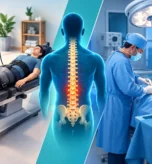

A collision can leave you feeling shaken, sore, and uncertain even when the vehicle damage seems minor. This guide to auto injury recovery can help you understand what to do next, what symptoms deserve prompt attention, and how a structured care plan can support a safer return to work, driving, exercise, and daily routines.
Pain after an auto accident is not always immediate. Adrenaline, stress, and the body’s natural protective response can mask symptoms for hours or days. Neck stiffness, headaches, low back pain, shoulder discomfort, dizziness, tingling, or trouble sleeping may develop gradually. Early assessment gives your care team a clearer picture of your condition and helps prevent a short-term injury from becoming a longer-lasting limitation.
Start With Safety and a Clinical Evaluation
Your first priority after a motor vehicle accident is safety. Seek emergency care right away for severe or worsening symptoms, including loss of consciousness, confusion, significant weakness, chest pain, shortness of breath, severe headache, repeated vomiting, changes in vision, loss of bladder or bowel control, or numbness in the groin area. These symptoms can require urgent medical evaluation.
For other aches, stiffness, and mobility changes, schedule an examination as soon as possible. A thorough musculoskeletal evaluation should look beyond the area that hurts most. A forceful jolt can affect the neck, mid-back, low back, shoulders, hips, wrists, knees, and jaw. Your provider may assess posture, range of motion, muscle tenderness, joint function, nerve-related symptoms, strength, and how pain affects your normal activities.
Accurate documentation matters for your health as well as any insurance or legal process. Be honest and specific about when symptoms started, what movements make them worse, and how the injury affects sleep, work, driving, household tasks, or recreation. Avoid minimizing pain simply because you are trying to continue with your usual responsibilities.
Why “I Feel Fine” May Not Tell the Full Story
Whiplash-associated injuries are a common example. When the head and neck move quickly back and forth, muscles, ligaments, joints, and nerves can be irritated without an obvious external injury. Symptoms may include neck pain, restricted movement, headache, upper back tightness, shoulder pain, fatigue, or difficulty concentrating.
The same principle applies to low back and hip pain after a crash. Sitting, bracing against the steering wheel, twisting, or impact through the legs can strain tissues and alter the way you move. An individualized exam helps determine whether conservative care is appropriate and whether imaging, medication management, or referral to another medical specialist is needed.
The First Days: Protect, Move, and Monitor
In the first 24 to 72 hours, follow the recommendations from your examining clinician. Some people benefit from relative rest, meaning they temporarily reduce activities that sharply increase pain while avoiding complete inactivity. Staying in bed for long periods can contribute to stiffness, weakness, and slower functional recovery.
Gentle movement is often more useful than forcing yourself through a workout or ignoring your symptoms. Short walks, comfortable position changes, and carefully guided mobility exercises can help maintain circulation and reduce guarding. The appropriate amount depends on your injury, pain level, medical history, and whether you have concerning neurological symptoms.
Cold or heat may offer temporary comfort for some people, but neither replaces a clinical plan. Cold is commonly used soon after an acute injury when soreness or swelling is present, while heat may feel helpful for muscle tightness later on. Use either cautiously, protect your skin, and stop if symptoms worsen.
Keep a simple symptom record during the first few weeks. Note pain levels, headaches, numbness, sleep quality, medications you use, and activities that trigger or relieve symptoms. This gives your provider useful information as your plan is adjusted.
A Guide to Auto Injury Recovery That Follows Your Function
Recovery should not be measured only by whether pain is lower on a particular day. Meaningful progress also includes turning your head comfortably while driving, lifting groceries without a flare-up, sitting through work, sleeping more soundly, returning to exercise, and feeling confident in your movement again.
For many accident-related musculoskeletal injuries, a conservative plan may combine hands-on care, guided exercise, and education. Chiropractic adjustments or joint mobilization may be appropriate when restricted spinal or extremity joint motion is contributing to pain and stiffness. Soft-tissue therapy can address muscle tension and sensitivity. Acupuncture or technology-assisted modalities may also be considered when clinically indicated.
No single treatment is right for every injury. The most effective plan depends on the tissues involved, your examination findings, the severity of symptoms, your job demands, and how your body responds over time. Care should be adapted, not delivered as a one-size-fits-all sequence of visits.
Rehabilitation Builds the Capacity to Return to Life
Pain relief is an important early goal, but rehabilitation helps prepare your body for the demands that caused symptoms to matter in the first place. A driver may need to check blind spots without neck pain. A warehouse employee may need to lift, carry, push, and stand for extended periods. A parent may need to bend, reach, and move quickly throughout the day.
Your rehabilitation program may begin with controlled mobility and gentle muscle activation. As symptoms improve, it can progress to strength, balance, endurance, posture, and movement training. The goal is not to rush through exercises. It is to restore capacity in a way that is safe, measurable, and realistic for your life.
Consistency matters more than intensity. A small number of well-chosen home exercises completed regularly can be more valuable than an occasional demanding workout that triggers a setback. Tell your provider if an exercise causes sharp pain, spreading numbness, dizziness, or symptoms that remain significantly worse afterward. Some soreness can be expected as you become active again, but your plan should be adjusted when your body is signaling that the load is too high.
Be Thoughtful About Work, Driving, and Daily Activities
Returning to normal activity is usually a gradual process. Going back too quickly can aggravate irritated tissues, while avoiding all activity for too long can create deconditioning and fear of movement. Your provider can help identify reasonable modifications based on your job and symptoms.
For desk work, this may include taking brief movement breaks, adjusting screen height, using better chair support, and avoiding prolonged positions. For physical work, it may mean temporary limits on lifting, repetitive bending, overhead tasks, or prolonged driving. Commercial drivers and people whose work involves operating machinery should be especially cautious if pain, limited neck rotation, dizziness, sedating medication, or concentration problems affect safe performance.
Driving deserves its own consideration after a collision. Do not drive until you can sit comfortably, turn your head sufficiently to scan traffic, brake without hesitation, and focus without dizziness or medication-related impairment. If these tasks are difficult, discuss them with your healthcare provider before resuming regular driving.
Know When Recovery Needs Another Level of Care
Conservative care is appropriate for many soft-tissue and joint-related injuries, but collaboration is part of good care. If symptoms do not improve as expected, become more severe, or suggest a condition outside the scope of conservative treatment, further evaluation may be needed.
Your provider may coordinate with primary care clinicians, orthopedic specialists, physiatrists, neurologists, or other professionals when imaging, specialized testing, injections, surgical consultation, concussion management, or additional medical treatment is appropriate. Referral is not a failure of conservative care. It is a patient-first decision designed to make sure you receive the right care at the right time.
Do not ignore new weakness, persistent tingling, increasing radiating pain, worsening headaches, balance changes, or symptoms that disrupt sleep and daily function. Clear communication allows your care team to respond promptly and safely.
Give Recovery the Time and Attention It Deserves
Healing timelines vary. A mild strain may improve quickly, while a more involved whiplash injury, back injury, or injury complicated by prior pain can take longer. Stress, poor sleep, demanding work, and limited opportunities to rest or attend care can also influence progress. The goal is steady, functional improvement, not a perfect recovery schedule.
At Farmington HealthCare and Chiropractic, care for auto injuries is built around listening carefully, identifying the source of limitation, and creating a plan that supports pain relief, mobility, strength, and active living. If you are sore after a collision or unsure whether your symptoms need attention, an early evaluation can replace uncertainty with a clear path forward.
Your body has been through an unexpected event. Treating it with timely assessment, appropriate movement, and patient-centered care gives you a stronger foundation for returning to the life you need and enjoy.