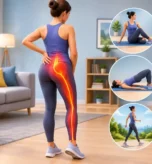
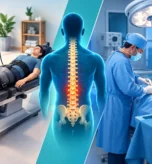
A stiff lower back can make ordinary moments feel surprisingly demanding: getting out of the driver’s seat, picking up a box, standing after a long meeting, or turning to check a blind spot. The right exercises to improve lower back mobility can help you move more comfortably, but the goal is not to force your spine into a deeper stretch. It is to restore controlled, confident movement while addressing the hips, core, and upper back that influence how your low back works.
Why lower back mobility is about more than the low back
The lumbar spine is built for stability as much as movement. When the hips are tight, the mid-back is stiff, or the muscles around the pelvis are not coordinating well, the lower back may take on more motion and strain than it should. This is why a routine made up only of aggressive back stretches can sometimes leave people feeling irritated rather than better.
Mobility work is most useful when it combines gentle motion, comfortable breathing, and light strengthening. For an office worker, that may mean reversing the effects of prolonged sitting. For a laborer, athlete, or commercial driver, it may mean preparing the body to bend, rotate, and transfer force with better control. The most effective plan depends on your symptoms, work demands, injury history, and current activity level.
Start with safety and a realistic goal
Mild tightness or stiffness that improves as you warm up often responds well to gradual movement. Start each exercise slowly, stay in a pain-free or nearly pain-free range, and breathe normally rather than holding your breath. A gentle stretch sensation can be appropriate. Sharp, catching, radiating, or increasing pain is a signal to stop.
If you have recently been in an auto accident, had a fall, are recovering from surgery, or have a known spine condition, seek individualized guidance before starting a new exercise routine. Prompt medical evaluation is also needed for back pain accompanied by new leg weakness, loss of bowel or bladder control, numbness in the groin or inner thighs, fever, unexplained weight loss, or severe pain that does not ease with rest.
Exercises to improve lower back mobility
Try these movements on a firm, comfortable surface. Begin with five to eight minutes total, two to four days each week. As your comfort and control improve, you can gradually increase repetitions or add the routine to your warm-up before work, exercise, or a longer drive.
1. Pelvic tilts with relaxed breathing
Lie on your back with your knees bent and feet flat on the floor. Let your arms rest at your sides. As you exhale, gently tighten your lower abdominal muscles and tip your pelvis so your low back becomes a little flatter against the floor. Inhale and return to a neutral, comfortable position.
Keep the movement small. You are not trying to press forcefully into the floor. Perform 8 to 12 slow repetitions. Pelvic tilts can help you become more aware of your lumbar position and may be especially helpful after extended sitting.
2. Knees-to-chest rocking
Remain on your back and bring one knee toward your chest, holding behind the thigh if reaching the shin feels uncomfortable. Hold for a few easy breaths, then switch sides. If both single-leg movements feel good, bring both knees toward your chest and gently rock side to side.
Use a light touch. Pulling hard can aggravate sensitive tissues, particularly during a flare-up. Complete 5 to 8 rocks in each direction, keeping your shoulders and jaw relaxed.
3. Quadruped rock-backs
Start on your hands and knees with your hands under your shoulders and knees under your hips. Keeping your spine long, slowly shift your hips back toward your heels as far as comfortable, then return forward. Your back does not need to round deeply or remain perfectly straight. Choose the position that feels smooth and controlled.
Do 8 to 10 repetitions. This movement lets the hips bend while the back practices sharing the motion, making it a practical option for people who feel stiff when squatting, lifting, or rising from a low chair.
4. Cat-cow with a smaller range
From hands and knees, slowly round your back as you exhale, allowing your head and tailbone to follow naturally. Then gently reverse the motion by lifting your chest slightly and tipping your pelvis forward as you inhale. Move at a pace that allows you to notice where stiffness is coming from.
Perform 6 to 10 repetitions. A large arch is not required. If extending your back creates pinching or increases symptoms into the leg, reduce the range or skip the extension portion and speak with a healthcare professional.
5. Open-book rotations
Lie on one side with your hips and knees bent, and place your arms straight out in front of you with your palms together. Keep your knees together as you slowly open the top arm across your body, rotating through your upper back and rib cage. Follow your hand with your eyes only if that feels comfortable for your neck.
Pause for one breath, then return. Complete 5 to 8 repetitions per side. Improving mid-back rotation can reduce the tendency to twist repeatedly through the lower back during daily activities, sports, and work tasks.
6. Half-kneeling hip flexor stretch
Kneel with one knee on a padded surface and the other foot in front, both knees bent. Gently tuck your pelvis by engaging the abdominal and gluteal muscles, then shift forward slightly until you feel a stretch at the front of the hip on the kneeling side.
Hold for 20 to 30 seconds and repeat once or twice per side. Avoid leaning your torso backward to create a bigger stretch. A controlled pelvic position matters more than how far you move. This exercise is often valuable for people whose hips feel tight after desk work or driving.
7. Glute bridges
Lie on your back with knees bent and feet about hip-width apart. Press gently through your feet and raise your hips until your body forms a comfortable line from shoulders to knees. Pause briefly, then lower with control.
Start with 8 to 10 repetitions. Your glutes should do most of the work. If you feel your low back taking over, lift less high, move more slowly, and lightly brace your abdominal muscles before each repetition. Stronger hip support can make everyday bending and standing feel less demanding on the lower back.
8. Supported hamstring stretch
Lie on your back and loop a towel or strap around one foot. With the opposite knee bent for support, gently raise the strapped leg until you feel a mild stretch behind the thigh. Keep a soft bend in the raised knee rather than forcing it straight.
Hold for 20 to 30 seconds on each side. Tight hamstrings do not always cause low back pain, but improving their tolerance to length can help some people move more comfortably during walking, reaching, and lifting. If this creates tingling, numbness, or pain traveling below the knee, stop and seek guidance.
Turn mobility into lasting movement
A short routine is more likely to help when it is repeated consistently than when it is performed intensely once a week. Consider pairing it with an existing habit: before your morning shower, after a work shift, following a long drive, or before a gym session. On particularly stiff days, choose two or three movements that feel best instead of pushing through every exercise.
Mobility also holds up better when it is supported by regular walking and progressive strength work for the hips, legs, and trunk. If bending, twisting, or sitting continues to trigger pain, the answer may not be more stretching. You may need an assessment of movement patterns, joint function, tissue irritation, and the specific demands of your job or sport.
At Farmington HealthCare and Chiropractic, individualized care may include hands-on treatment, rehabilitation exercise, and coordination with other medical specialists when needed. A clear diagnosis and personalized plan can be especially helpful when pain is recurring, follows an injury, or is limiting your ability to work and stay active.
Your back does not need to move perfectly to serve you well. It needs a gradual return to comfortable motion, steady support, and an approach that respects what your body is telling you.