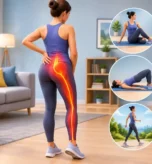
Sciatica can make ordinary movements feel anything but ordinary. Sitting through a workday, driving across town, lifting groceries, or sleeping comfortably may become difficult when pain travels from the low back or buttock into the leg. Learning how to manage sciatica pain starts with understanding what your symptoms are telling you, staying safely active, and getting the right evaluation when pain is persistent or severe.
What Sciatica Actually Means
Sciatica is not a diagnosis by itself. It describes pain, tingling, numbness, or weakness that follows the path of the sciatic nerve, usually from the lower back through the buttock and down one leg. Some people feel a sharp, electric sensation. Others experience aching, burning, pins and needles, or a leg that feels weaker than usual.
The symptoms can occur when a nerve root in the lower spine is irritated or compressed. A disc injury, spinal narrowing, joint changes, muscle tension, or inflammation may be part of the picture. Because several conditions can cause similar symptoms, it is not always helpful to assume that every pain down the leg is sciatica.
That distinction matters. The right care plan depends on the source of the problem, your health history, the movements that worsen or ease symptoms, and whether you have changes in strength or sensation. A thoughtful examination helps identify where to begin.
Start With Gentle, Consistent Movement
When pain flares, rest can feel like the only reasonable choice. A short period of relative rest may be useful, especially after an injury, but staying in bed or avoiding movement for several days can lead to more stiffness, muscle guarding, and reduced confidence with everyday activity.
Aim for gentle movement that does not significantly increase your symptoms during or after activity. Short walks are often a practical starting point. Try walking for a few minutes at a comfortable pace, then gradually add time as tolerated. If symptoms travel farther down the leg or become noticeably more intense, shorten the walk and discuss the pattern with a healthcare professional.
Changing positions regularly can also help. Office workers and commercial drivers may benefit from standing, walking, or performing a few easy movements every 30 to 60 minutes rather than remaining seated for long stretches. A small lumbar support may improve comfort for some people, but it is not a substitute for movement breaks or a proper assessment.
Use Positions That Reduce Irritation
There is no single “best” posture for everyone with sciatica. Some people feel better bending forward, while others are more comfortable standing tall or lying on their side. The useful position is the one that reduces leg symptoms without causing a pain flare later.
For sleep, side lying with a pillow between the knees may reduce strain on the low back and hips. If you sleep on your back, placing a pillow under your knees can be more comfortable. When getting out of bed, roll to your side first, use your arms to push up, and bring your legs over the edge rather than twisting quickly through the low back.
Heat or ice may provide temporary relief. Ice can be helpful during a recent flare when tissues feel irritated, while gentle heat may ease muscle tightness and stiffness. Use either for a brief period with a protective layer between your skin and the pack. If one option makes symptoms worse, stop using it.
Be Careful With Stretching and Exercise
Stretching can be useful, but more is not always better. Aggressive hamstring stretches, deep forward bends, or forcing a nerve stretch may increase burning, tingling, or shooting leg pain. A stretch should feel mild and controlled, not sharp, electric, or progressively worse.
A personalized rehabilitation plan is often more effective than copying exercises from a general video. Depending on your examination, care may focus on improving hip mobility, restoring spinal motion, building core and gluteal strength, improving lifting mechanics, or gradually increasing tolerance for work and sport activities.
The goal is not simply to avoid pain forever. It is to help your body tolerate the movements life requires. For a warehouse worker, that may mean safer lifting and carrying. For a runner, it may mean a gradual return to training. For someone who sits at a desk, it may mean improved posture habits, regular movement breaks, and stronger support through the hips and trunk.
Consider Conservative, Personalized Care
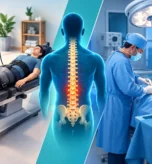
When sciatica is interfering with work, sleep, driving, or daily activity, a musculoskeletal evaluation can provide clarity and direction. Conservative care may include hands-on treatment, joint mobilization or chiropractic adjustments when appropriate, soft-tissue therapy, acupuncture, spinal decompression, and guided rehabilitation exercises.
No single treatment is right for every person. Some patients respond well to a short course of hands-on care combined with exercise. Others need a slower, more structured plan because symptoms have been present for months or because there are multiple contributing factors. Your clinician should explain the reasoning behind recommendations, monitor your response, and adjust the plan as your function improves.
At Farmington HealthCare and Chiropractic, care is built around an individualized assessment and evidence-based, nonpharmacological options. When symptoms suggest a need for additional testing or specialist input, coordinated care with primary care providers, orthopedic specialists, physiatrists, or neurologists can help ensure you receive appropriate support.
Know When Sciatica Needs Urgent Attention
Most cases of sciatica improve with time and appropriate conservative care, but certain symptoms require urgent medical evaluation. Seek immediate care if you have:
- New loss of bladder or bowel control
- Numbness in the groin, inner thighs, or saddle area
- Significant or rapidly worsening leg weakness
- Severe pain after a major fall, crash, or other trauma
You should also contact a healthcare professional promptly if pain is accompanied by fever, unexplained weight loss, a history of cancer, or symptoms that are steadily worsening despite reasonable self-care. These signs do not always indicate a serious condition, but they should not be ignored.
Return to Daily Activities Gradually
A good recovery plan makes room for real life. It should account for the demands of your job, family responsibilities, preferred exercise, and current fitness level. Trying to do everything at once after a painful flare can trigger another setback, while avoiding activity for too long can make normal tasks feel more difficult.
Use a gradual approach. Increase one variable at a time, such as walking duration, lifting load, driving time, or workout intensity. Notice how you feel later that day and the next morning. Mild soreness may be expected when rebuilding activity, but worsening nerve symptoms, spreading numbness, or increasing weakness are signs to pause and seek guidance.
Pain relief is a meaningful goal, but lasting progress also comes from better movement, stronger support muscles, and confidence in your ability to return to the activities that matter to you. Small, consistent steps often carry more value than pushing through a painful flare.
If sciatica is limiting your life, you do not have to guess your way through it. A careful evaluation can turn a frustrating symptom pattern into a clear, practical plan for moving with greater comfort and confidence.