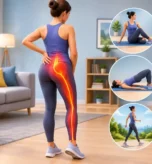
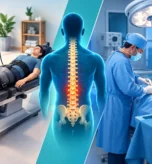
A painful turn of the head while backing out of the driveway, a stiff back after a long shift, or a knee that no longer feels reliable on the stairs can change how you move through the day. Effective musculoskeletal pain treatment is not simply about quieting discomfort for a few hours. It should help identify what is limiting your movement, protect your safety, and create a realistic path back to work, exercise, driving, and the activities that matter to you.
Musculoskeletal pain can involve muscles, joints, ligaments, tendons, nerves, and the spine. Because the causes and demands on the body vary, treatment should never be one-size-fits-all. A warehouse worker with a lifting injury, an office professional with recurring neck tension, and a runner with hip pain may all need different care plans, even when their symptoms sound similar.
Start With a Clear Clinical Assessment
The right treatment begins with listening. Your provider should ask when the pain began, what makes it better or worse, whether there was an injury or accident, and how symptoms affect sleep, work, mobility, and daily tasks. This history helps distinguish a sudden strain from a recurring movement problem, a joint injury, or pain that may require medical evaluation beyond conservative care.
A physical examination commonly assesses posture, range of motion, joint movement, muscle strength, reflexes, sensation, balance, and movement patterns. Your clinician may watch how you walk, squat, reach, sit, or perform a work-related motion. These details often reveal contributors that do not show up in a description of pain alone, such as poor lifting mechanics, reduced hip mobility, weakness after an old injury, or repeated strain from a workstation setup.
Imaging is not always the first step. Many common back, neck, and soft-tissue conditions can be assessed clinically, and an X-ray, MRI, or other test may not change early care. However, imaging or referral is appropriate when symptoms, injury history, or examination findings suggest a fracture, significant nerve involvement, inflammatory disease, or another condition that needs further evaluation.
Musculoskeletal Pain Treatment Should Match the Cause
Conservative care often combines several approaches rather than relying on a single treatment. The balance depends on your diagnosis, pain level, goals, health history, and response to care. For some people, hands-on treatment provides the early relief needed to begin moving more normally. For others, rehabilitation exercise is the central focus from the start.
Hands-On Care for Mobility and Comfort
Chiropractic spinal or extremity adjustments and joint mobilization may help improve restricted joint motion and reduce mechanical pain for appropriate patients. These techniques are selected carefully after an examination and should be adapted to the affected area, your comfort, and any relevant medical considerations.
Soft-tissue therapy can address tight or sensitive muscles and connective tissues that are contributing to painful movement. This may be especially helpful after repetitive work, prolonged sitting, athletic overuse, or an injury that has caused you to guard a painful area. The goal is not to force the body through pain. It is to help restore more comfortable movement so you can progress with active recovery.
Acupuncture and technology-assisted modalities may also be considered when clinically appropriate. These options can support short-term symptom relief for some patients, but they work best as part of a broader plan that includes movement, strength, and practical changes to reduce repeated strain.
Rehabilitation Builds Lasting Capacity
Pain relief matters, but the body also needs the capacity to return to daily demands. Rehabilitation exercises are used to rebuild strength, improve coordination, support joint stability, and increase tolerance for activities that previously triggered symptoms.
A program should be specific. Someone recovering from shoulder pain may need controlled rotator cuff and upper-back strengthening. A patient with recurring low back pain may benefit from trunk endurance, hip mobility, and graded lifting practice. After a knee injury, balance, quadriceps strength, and gradual return to stairs or sport may be more relevant than generalized exercise alone.
Progression should be gradual. Mild discomfort during recovery can sometimes be expected, particularly when tissues are deconditioned or you are returning to movement after avoiding it. Sharp pain, increasing numbness, new weakness, or symptoms that persistently worsen are signals to reassess the plan rather than push through.
Treat the Habits That Keep Pain Coming Back
Many musculoskeletal problems have more than one contributor. The initial trigger may have been a fall, motor vehicle accident, sports injury, or awkward lift. Ongoing symptoms can then be reinforced by reduced activity, protective muscle tension, poor sleep, repetitive work demands, or a return to activity that happens too quickly.
This is why meaningful treatment includes education. You may need guidance on lifting and carrying, desk or vehicle ergonomics, pacing activity, warming up before exercise, or taking movement breaks during long drives and shifts. These changes are not a substitute for treatment when you are injured, but they can reduce avoidable stress on healing tissues.
For chronic pain, the plan may also need to account for stress, fear of movement, sleep disruption, and previous unsuccessful treatments. That does not mean pain is “all in your head.” It means pain is influenced by the whole person, and recovery is often stronger when care addresses both the tissues involved and the factors affecting how you move and function.
When Symptoms Need Prompt Medical Attention
Most musculoskeletal pain is not an emergency, but certain symptoms should not wait for a routine appointment. Seek urgent medical care for:
- New loss of bowel or bladder control, numbness in the groin area, or rapidly worsening leg weakness
- Severe pain after a major fall, crash, or other trauma, especially if you cannot bear weight or move the affected area
- Fever, unexplained weight loss, history of cancer, or significant pain that is constant and not affected by position or activity
- Chest pain, shortness of breath, sudden dizziness, or pain that may not be musculoskeletal in origin
A safe musculoskeletal provider recognizes the limits of conservative care and coordinates referrals when needed. Collaboration with primary care providers, orthopedic specialists, physiatrists, neurologists, and other clinicians helps ensure patients receive the right level of care at the right time.
What Progress Should Look Like
Recovery does not always follow a straight line. After an acute injury, you may notice meaningful improvement in days or weeks. Long-standing or recurrent pain can take longer, particularly when it has changed how you move, sleep, work, or exercise. The right pace depends on the condition and your starting point.
Instead of judging treatment only by whether pain reaches zero immediately, look for functional gains: turning your head more comfortably while driving, standing through a work shift, sleeping with fewer interruptions, walking farther, returning to the gym with confidence, or picking up a child without hesitation. These improvements often show that the body is regaining resilience.
At Farmington HealthCare and Chiropractic, LLC, individualized care plans may combine hands-on treatment, rehabilitation, patient education, and coordinated referral when a specialist’s expertise is needed. The aim is to help you make informed decisions and move forward safely, not to keep you dependent on passive care.
Pain can make your world smaller one guarded movement at a time. A thoughtful evaluation and a plan built around your goals can help you begin expanding it again, with steadier movement, greater confidence, and practical tools you can carry into everyday life.