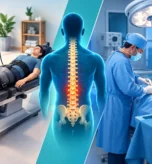
A stiff neck that keeps returning can affect far more than comfort. It can make checking blind spots while driving difficult, interrupt sleep, limit time at a desk, and pull attention away from work, exercise, and family. Acupuncture for chronic neck pain may be a useful part of conservative care for some people, especially when pain is tied to persistent muscle tension, restricted movement, or a cycle of flare-ups.
At Farmington HealthCare and Chiropractic, care begins with understanding why your neck hurts, not simply where it hurts. Acupuncture can help manage symptoms, but the best results often come from combining it with a plan that restores movement, improves strength, and addresses the daily habits or injuries contributing to the problem.
Why chronic neck pain can be hard to resolve
Neck pain is considered chronic when it lasts longer than three months or keeps returning over time. It may begin after an auto accident, sports injury, awkward lift, or period of poor sleep. For many people, though, there is no single moment to blame. Hours of computer work, frequent driving, repetitive physical labor, stress-related muscle guarding, and reduced activity can gradually overload the neck and upper back.
The cervical spine is supported by a network of muscles, joints, nerves, and connective tissue. When one area is irritated or not moving well, nearby tissues often compensate. Tight upper trapezius muscles, shoulder blade weakness, limited upper-back mobility, headaches, or pain that spreads toward the shoulder can all become part of the same pattern.
That is why a plan based only on temporary pain relief may fall short. Chronic symptoms often need both symptom management and a gradual return to healthy, confident movement.
How acupuncture for chronic neck pain may help
Acupuncture involves placing very thin, sterile needles at selected points in the body. In a clinical setting, the goal is not to force a painful area to relax. It is to encourage the nervous system and surrounding tissues to reduce protective tension, improve local circulation, and better tolerate movement.
For neck pain, acupuncture may be used in areas around the neck, shoulders, upper back, or other locations that influence pain signaling and muscle function. Many patients describe the treatment as a brief pinch followed by a dull, heavy, warm, or relaxed sensation. Some feel improvement immediately, while others notice changes over several treatments as their muscles become less guarded.
Research suggests acupuncture can provide modest pain relief and functional improvement for some people with chronic neck pain. It is not a guaranteed cure, and results vary based on the underlying condition, overall health, activity demands, sleep, stress, and consistency with the treatment plan. Still, it can be a valuable nonpharmacological option for people who want to reduce reliance on medication or complement other conservative therapies.
What acupuncture does not replace
Acupuncture should not be treated as a substitute for an appropriate examination. Neck pain can sometimes be related to conditions that require medical evaluation, imaging, medication, or specialty care. A thoughtful provider will screen for signs that acupuncture is not the right first step.
Seek prompt medical attention for neck pain associated with new or worsening arm or hand weakness, significant numbness, loss of coordination, severe headache, fever, unexplained weight loss, dizziness, fainting, changes in speech or vision, or symptoms after a serious accident. These symptoms do not automatically mean there is a dangerous condition, but they deserve timely evaluation.
A treatment plan should match the cause of your pain
A productive first visit involves more than identifying a sore muscle. Your provider should ask when symptoms began, what makes them better or worse, whether pain travels into the arm, how it affects sleep and work, and whether you have had an accident or previous injury. A physical examination can assess posture, range of motion, muscle tenderness, joint mobility, strength, reflexes, and other signs that guide care.
If acupuncture is appropriate, it may be paired with hands-on care such as soft-tissue therapy, joint mobilization, or chiropractic adjustments when clinically indicated. These services can help address restricted movement and tissue sensitivity. Rehabilitation exercises then help the improvement last by building endurance in the neck, shoulder blade, and upper-back muscles.
For example, a desk worker with forward-head posture and tight shoulders may benefit from acupuncture to calm painful muscle tension, followed by mobility work and a simple exercise routine for posture and shoulder blade control. A commercial driver may need strategies that account for long periods behind the wheel, limited breaks, and difficulty turning the head comfortably. A patient recovering from a collision may need a slower, closely monitored plan based on symptom irritability and function.
The details matter. Care should be adjusted to your condition, goals, and response to treatment rather than following a one-size-fits-all schedule.
What to expect during and after treatment
Before treatment, tell your provider about medications, bleeding disorders, pregnancy, implanted electrical devices, skin conditions, or a history of fainting with needles. Acupuncture is generally considered safe when performed by a qualified practitioner using single-use sterile needles, but open communication helps your provider make the safest choices for you.
Most sessions are calm and straightforward. After a brief assessment, the practitioner places needles and allows time for the body to respond. Treatment time can vary, and the number of sessions depends on the severity and duration of symptoms. Someone with a recent flare-up may improve quickly, while longstanding neck pain often benefits from a series of visits combined with active rehabilitation.
Mild soreness, small bruises, or temporary fatigue can occur after acupuncture. Some patients feel looser right away, while others notice a gradual change later that day or over the next few days. Staying hydrated, taking a short walk, and avoiding unusually strenuous activity immediately after treatment can be helpful if you feel tender.
Progress should be measured by more than a pain number. Better sleep, easier driving, improved ability to look over your shoulder, fewer headaches, and more confidence returning to exercise are meaningful signs that care is helping.
Building longer-term relief between appointments
The goal is not to make you dependent on passive treatment. Acupuncture can create a useful window of reduced pain and improved movement, but what you do with that window matters. Your provider may recommend specific exercises, adjustments to your workstation, changes to lifting mechanics, or short movement breaks during the day.
For many people, gentle consistency works better than occasional intense stretching. Frequent position changes, regular walking, and strengthening that matches your current tolerance can reduce the strain that builds in the neck and shoulders. Sleep position, pillow support, screen height, and stress management may also influence recurring symptoms.
If symptoms are not improving as expected, the plan should be reassessed. FHCC collaborates with primary care providers and medical specialists when a patient needs additional diagnostic guidance or specialty care. Coordinated care helps ensure that treatment remains appropriate as your needs change.
Chronic neck pain can make daily life feel smaller, but it does not have to define your routine. With a careful evaluation and a personalized plan, acupuncture may help you move with less pain while you build the strength, mobility, and habits needed to stay active.