A sharp pain traveling from the low back into the leg can make sitting at a desk, lifting a box, driving, or getting a full night’s sleep feel much harder than it should. When symptoms involve irritated spinal nerves or a disc-related condition, spinal decompression therapy may be one conservative option to consider as part of a personalized treatment plan.
At Farmington HealthCare and Chiropractic, treatment starts with understanding the source of your symptoms, not simply chasing short-term relief. Spinal decompression is not right for every type of back or neck pain, but for appropriately screened patients, it may help reduce pressure on sensitive spinal structures while supporting movement, rehabilitation, and a return to daily activity.
What Is Spinal Decompression Therapy?
Spinal decompression therapy is a non-surgical treatment that uses controlled, gentle traction to create intermittent stretching and relaxation of the spine. During treatment, a computerized table or traction system applies a carefully measured pulling force to the neck or lower back. The goal is to reduce compressive loading on spinal discs and joints and, in some cases, decrease irritation around nerve roots.
Your spinal discs act as cushions between the vertebrae. A disc can become irritated, bulge, or herniate due to injury, repetitive strain, age-related changes, or a combination of factors. If disc material or inflammation affects a nearby nerve, symptoms may include pain, tingling, numbness, or weakness into an arm or leg.
The term “decompression” can sound dramatic, but the treatment itself is typically gradual and controlled. It is different from spinal surgery, and it is not the same as hanging upside down on an inversion table. Clinical traction is adjusted to the patient’s diagnosis, comfort level, body size, and response to care.
When Spinal Decompression May Be Considered
Spinal decompression may be considered for some people with disc-related low back or neck symptoms, particularly when pain travels into an extremity. It may also be used for selected cases of degenerative disc changes, facet joint irritation, spinal stenosis-related symptoms, or persistent mechanical back pain. Whether it is appropriate depends on the complete clinical picture, not just an MRI finding or a pain score.
A person with sciatica-like symptoms, for example, may benefit if examination findings suggest nerve irritation related to the lower spine. A commercial driver whose symptoms worsen after prolonged sitting may need a plan that combines decompression with posture strategies, mobility work, and progressive strengthening. An athlete recovering from a back injury may need a different emphasis, with careful loading and sport-specific rehabilitation.
Pain alone does not identify the cause. A thorough evaluation considers how symptoms began, what movements aggravate or ease them, your health history, strength, reflexes, sensation, range of motion, and functional limitations. Imaging or referral may be appropriate when clinical findings indicate a need for further evaluation.
Symptoms that deserve prompt medical attention
Back pain can occasionally signal a condition that needs urgent medical care rather than conservative treatment. New or worsening loss of bowel or bladder control, numbness in the groin or inner thighs, significant or progressive weakness, fever with severe back pain, unexplained weight loss, or pain after a serious accident should be assessed promptly. These symptoms are not situations to self-treat with traction, stretching, or exercise.
What a Treatment Visit Feels Like
Before beginning spinal decompression, your provider should review your diagnosis, goals, and safety considerations. You are usually positioned comfortably on a treatment table with supportive straps around the pelvis or upper body, depending on the area being treated. The table then delivers cycles of gentle pulling and release.
Most patients describe a stretching or easing sensation rather than pain. The settings are not one-size-fits-all. A provider can adjust the force, angle, timing, and position based on your symptoms and tolerance. You should communicate during treatment if you experience increased pain, new tingling, dizziness, or discomfort.
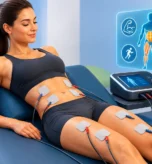
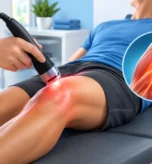
A visit may also include hands-on care, soft-tissue therapy, joint mobilization, acupuncture when appropriate, or technology-assisted modalities. Just as important, it may include rehabilitation exercises designed to help you move with more control and confidence outside the clinic. Passive care can calm symptoms, but lasting improvement often requires a plan for strength, mobility, work habits, and activity progression.
Why Decompression Works Best as Part of a Plan
Spinal decompression therapy is not a quick fix for every painful back. Research on traction and decompression is mixed, and outcomes vary by diagnosis, symptom pattern, and the rest of the care plan. Some patients experience meaningful relief and improved tolerance for movement. Others may respond better to a different conservative approach, medication management through their medical provider, injections, or specialist evaluation.
That is why individualized care matters. A well-designed plan may address several contributors at once: irritated tissue, reduced joint mobility, guarded muscles, weak trunk or hip control, prolonged sitting, repetitive work demands, or fear of movement after an injury. Treatment should be reassessed regularly. If progress stalls, the plan should change rather than continuing the same intervention without a clear reason.
For many people, the practical goal is not simply to have a pain-free hour after treatment. It is to sit through a work shift with less discomfort, pick up a child safely, return to the gym gradually, sleep more comfortably, or complete a drive without symptoms taking over the day.
Who Should Avoid Spinal Decompression?
Spinal decompression is not appropriate for everyone. Certain conditions can make traction unsafe or require medical clearance first. These may include spinal fracture, severe osteoporosis, spinal infection, cancer involving the spine, significant spinal instability, some post-surgical conditions, or conditions affecting the aorta. Pregnancy, inflammatory disease, and implanted hardware may also change what treatments are appropriate.
A careful review of your history is essential. If you have had prior spine surgery, have a known bone condition, take medications that affect bone health, or are being treated for a serious medical condition, share that information before beginning care. The safest recommendation may be modified treatment, co-management with another clinician, or referral to a specialist.
Building Results Beyond the Treatment Table
The best next step after symptoms begin to improve is often gradual, purposeful activity. Your provider may recommend simple movements to maintain mobility, exercises to improve trunk and hip strength, or changes to your workstation, vehicle setup, lifting technique, and sleep positioning. The right advice is specific to your body and demands, not a generic set of stretches pulled from the internet.
Consistency matters more than intensity. A person who performs a few well-chosen exercises most days, takes regular movement breaks, and increases activity at a sensible pace is often better positioned for lasting progress than someone who pushes through a painful workout one weekend and remains inactive the rest of the week.
If back or neck pain is limiting the way you work, move, exercise, or rest, you deserve a clear explanation and a treatment plan that respects your goals. The most useful care is the care that helps you understand your condition, recognize when to seek further help, and take steady steps back toward an active life.